5 Breathing Techniques That Instantly Reduce Stress
Breathing Techniques
Calm your mind, regulate your body, and feel better—starting with your breath.
Why Breathing Matters
When life feels overwhelming, your breath is one of the most powerful tools you have—and it’s completely free. The way you breathe affects your nervous system, your heart rate, and even your thoughts. Shallow, rapid breaths signal stress. Slow, intentional breathing tells your body: You’re safe.
Practicing the right breathing techniques can instantly reduce stress, calm anxiety, and help you regain control—even during a hectic day.
Quick Comparison: Which Breathing Technique Should You Use?
Before diving into the full breakdown, here’s a quick-glance guide to help you choose the right breathing technique for your situation:
| Technique | Best For | Ideal Time | Duration |
|---|---|---|---|
| Box Breathing | Focus, public speaking | Morning, work stress | 2–5 min |
| 4-7-8 Breathing | Sleep, anxiety | Before bedtime | 4 rounds |
| Alternate Nostril | Energy balance, clarity | Afternoon slump | 3–5 min |
| Diaphragmatic Breathing | Deep relaxation, tension | Anytime | 5–10 min |
| Sigh Breaths | Emotional overwhelm | In-the-moment relief | 1–2 min |
Now let’s explore how to do each technique and why it works.
1. Box Breathing (4-4-4-4 Method)
How it works: Inhale for 4 seconds, hold for 4, exhale for 4, and hold for 4 again. Repeat this box-shaped cycle 4–5 times.
When to use it: Before a meeting, during panic, or anytime you need to quickly calm your mind.
Why it works: Box breathing activates the parasympathetic nervous system, helping you relax and focus.
2. 4-7-8 Breathing
How it works: Inhale for 4 seconds, hold for 7 seconds, exhale for 8 seconds. Repeat for 4 rounds.
When to use it: Before bed or when you feel overwhelmed.
Why it works: Slowing down your exhale stimulates a relaxation response and can even help improve sleep.
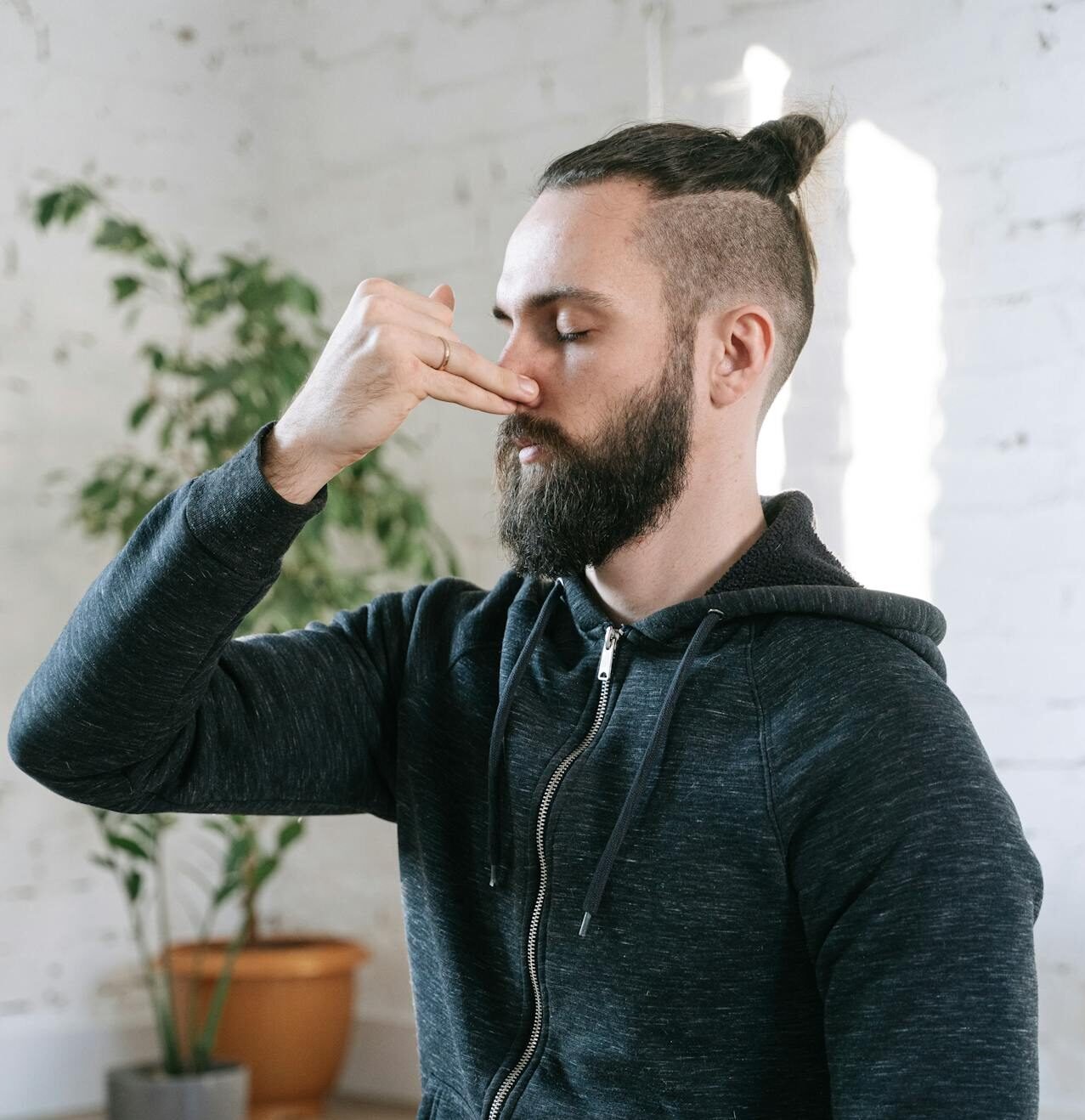
3. Alternate Nostril Breathing (Nadi Shodhana)
How it works: Close your right nostril with your thumb, inhale through the left. Close the left nostril, exhale through the right. Inhale through the right, switch, and exhale through the left. Repeat for 2–3 minutes.
When to use it: During mid-day stress or brain fog.
Why it works: Balances both sides of the brain and reduces anxiety by syncing breath and focus.
4. Diaphragmatic Breathing (Belly Breathing)
How it works: Lie or sit comfortably. Place a hand on your belly. Inhale deeply through the nose so your belly rises. Exhale slowly through the mouth. Focus on making your belly—not your chest—rise and fall.
When to use it: Anytime you feel shallow breathing or tension in your chest.
Why it works: Helps oxygenate your system more fully, slows heart rate, and promotes relaxation.
5. Sigh Breaths (Double Inhale, Long Exhale)
How it works: Take a short inhale through your nose, followed by a second, deeper inhale. Then exhale slowly through your mouth. Repeat 3–5 times.
When to use it: During emotional stress, arguments, or moments of frustration.
Why it works: Based on neuroscience research from Stanford, sigh breathing quickly reduces physiological stress.
Tips to Make It a Daily Habit
- Set a reminder: Use your phone or watch to remind you to breathe intentionally at least once a day.
- Pair it with routines: Practice breathing before brushing your teeth, drinking coffee, or checking your phone.
- Track your calm: Use a simple journal or habit tracker to notice how you feel before and after each practice.
You don’t need to escape to a retreat or meditate for hours to feel calm. Just a few minutes of intentional breathing can re-center your mind, lower your heart rate, and reduce stress instantly.
Start with the one that feels easiest today. Your breath is your anchor—return to it anytime.
Want More Mind-Body Tools?
Download our free 7-Day Mind-Body Reset Challenge to get breathing exercises, gentle movement, and a printable tracker—all designed to help you feel better fast.
👉